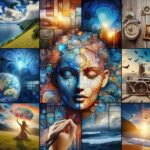

The landscape of art is undergoing a profound transformation in 2025, driven largely by the rise of AI-generated art. Artificial intelligence, once limited to data processing and analytics, is now producing visually stunning and conceptually complex artworks. From digital paintings and music compositions to immersive 3D experiences, AI has become a collaborator in creative processes, challenging traditional notions of authorship and originality.
One of the most remarkable aspects of AI-generated art is its ability to democratize creativity. Artists no longer need to rely solely on technical skill or manual execution; instead, AI tools allow them to express ideas with unprecedented speed and precision. Platforms and software equipped with AI algorithms can generate artwork based on textual prompts, style references, or even historical art datasets. In 2025, these tools have become so sophisticated that they can emulate the styles of renowned artists or create entirely new aesthetics. For instance, an emerging artist can use AI to rapidly prototype concepts and then refine them manually, blurring the lines between human and machine creativity.
However, the rise of AI art also brings significant questions regarding copyright. Who owns an artwork created by a machine? Is it the programmer, the user providing the prompts, or does the creation fall into the public domain? Legal systems around the world are grappling with these issues. In the United States, recent cases have highlighted that AI-generated works without substantial human input may not qualify for traditional copyright protection. Similarly, in Europe, intellectual property offices are debating whether AI-assisted works can be registered under existing frameworks. This uncertainty has made it critical for digital artists, collectors, and platforms to understand their rights when dealing with AI-generated creations.
Ethical concerns also accompany these legal debates. AI models are trained on vast datasets, which often include copyrighted material from human artists. The use of such datasets raises questions about consent, compensation, and originality. Critics argue that AI-generated art may dilute the value of human creativity, while proponents claim that it represents a natural evolution in the creative landscape. In 2025, many creative communities are developing guidelines and ethical standards for AI art, ensuring transparency about how models are trained and how outputs are used.
Beyond legal and ethical considerations, AI-generated art is reshaping industries like gaming, marketing, and entertainment. Game designers use AI to generate complex environments, character designs, and even narrative scripts, reducing development time and costs. Advertising agencies employ AI tools to rapidly produce visual campaigns tailored to specific demographics. In the world of online platforms, users logging into sites—like togelslot88 login—are increasingly exposed to AI-enhanced visuals in promotions, illustrating how AI art is permeating even unexpected sectors.
Moreover, AI-generated art is influencing the way collectors and enthusiasts perceive value. Digital art marketplaces, particularly those incorporating blockchain technology, allow for the trading of AI-created NFTs (non-fungible tokens). These platforms provide proof of ownership and scarcity, even for machine-generated works, offering artists and investors new opportunities. Despite skepticism from traditionalists, AI art has proven that machine creativity can carry both aesthetic and financial value.
Education is another area benefiting from AI art. Students and educators use AI-driven visualizations to explore historical art movements, experiment with design principles, or create interactive learning experiences. The technology allows for adaptive learning, where AI customizes content based on student responses, fostering creativity in a personalized manner. By 2025, educational institutions are integrating AI tools into curricula to prepare students for a future where human-AI collaboration is ubiquitous.
Yet, the integration of AI into art is not without challenges. Critics warn that reliance on AI may lead to homogenization, where artworks reflect patterns and biases embedded in the training data rather than true innovation. Artists must navigate these limitations, balancing machine-generated assistance with personal creativity to maintain authenticity. Additionally, as AI continues to evolve, ongoing discussions about intellectual property, copyright laws, and ethical guidelines remain crucial.
In conclusion, AI-generated art in 2025 represents both a technological marvel and a legal and ethical puzzle. It has expanded creative possibilities, democratized artistic production, and introduced new economic opportunities. At the same time, it challenges traditional notions of authorship and ownership, requiring careful navigation of copyright and ethical standards. Whether in digital marketplaces, gaming, education, or even online platforms where users log in for entertainment and services like togelslot88 login, AI art is reshaping how we create, consume, and value visual culture. The future of creativity lies in a collaboration between humans and machines, and understanding the legal and ethical dimensions is essential to ensuring that this evolution benefits everyone involved.
Read Also: Dylan’s Cafe